Electronic voucher management system checklist for telecom operators

What is an Electronic Voucher? How does it work?

An e voucher (electronic voucher) is a digital code, PIN, QR code or link that holds a prepaid value, a discount or a right to a product or service. The customer gets it by SMS, email, app or printed receipt, and the issuer’s system checks it and marks it as used at redemption. Mobile recharge PINs are e vouchers. So are eGift cards and game codes.

That answers the search. What follows is for people who run or plan a voucher business: the kinds of e voucher you meet in the field, what the platform does between sale and redemption, how codes are protected, and what an operator, retailer, distributor or public agency needs before issuing them at volume.

E voucher meaning in plain terms

A paper voucher is a promise printed on card. An e voucher moves that promise into a database. The code the customer sees is only a pointer; the value sits in the issuer’s system against that code, along with its face value and the rules on where and until when it can be spent.

You will also see e-voucher, evoucher, eVoucher, digital voucher, e-code, e-PIN and eGift card. Telecom people say e-PIN or electronic voucher distribution (EVD). Retailers say eGift card, and aid agencies and governments use e-voucher for a digital entitlement given to a beneficiary.

Types of e vouchers you will come across

Telecom recharge vouchers: PIN and PINless

Prepaid airtime and data were among the first products sold this way. Operators used to print scratch cards and truck them to shops. With electronic distribution the shop sells the same value from a POS terminal, a retailer app or a web portal.

  • PIN-based: the platform releases one recharge PIN from stock and prints it on the receipt or shows it on screen. The customer dials the operator’s short code or uses the operator app to load it, and the redemption lands in the operator’s charging system as a credit to the subscriber’s balance.
  • PINless (direct top up): the retailer enters the customer’s number in E.164 format and the platform credits the account through the operator connection. No code changes hands, so nobody can photograph or resell it.

Most distributors we work with carry both. PINless suits operators that expose a direct integration, and PIN stock covers the operators that do not, or acts as the fallback when the direct link is down.

Gift cards and retail e vouchers

An eGift card is stored value for one brand or a group of brands. Some are spent in one go; others hold a balance that drops with each purchase until it hits zero. People buy them as gifts, and companies use them for staff rewards and customer incentives.

Gaming and digital content codes

Game publishers and streaming services sell prepaid codes that load wallet credit, in-game currency or a subscription period. Shops sell these on the same terminals as mobile recharge, which is why EVD platforms list them next to airtime.

Food, meal and employee benefit vouchers

Meal and benefit programmes have moved from paper coupons to cards and app codes. An employer or programme operator loads a value and the employee spends it at accepted merchants. What counts as a benefit and how it is taxed differs by country, so licensed providers run most of these schemes.

Government and humanitarian e vouchers

Public agencies and aid organisations use e vouchers to hand out subsidies and food or cash assistance. A beneficiary receives a code or card that works only at registered vendors, sometimes only for approved items. Unlike paper, every redemption leaves a record, and auditors can trace a fraud complaint back to the vendor and the timestamp.

Promotional and discount codes

A discount e voucher holds no stored value. It cuts the price, for example a percentage off an order above a minimum spend. Supermarkets send these by email or push them in their apps.

How do e vouchers work, step by step?

Products differ, but on a recharge platform a PIN passes through the same lifecycle states from the issuer to the customer, and each step below moves it from one state to the next.

  1. Product setup. The issuer, whether a mobile operator, a brand or an agency, defines the face value, what the voucher buys and its validity period.
  2. Batch generation. The platform generates unique PINs in a batch, or connects to the provider so value is created at the moment of sale under the PINless model. Each batch file is encrypted, and the secret that encrypts it is itself wrapped by a master secret held in the HSM, so a copied file is unreadable on its own. New PINs sit in the generated state.
  3. Dealer allocation. Stock or credit moves down the chain from issuer to master distributor, sub-dealer and retailer. Each level holds a wallet and credit limit and earns its agreed commission, and allocated PINs move to allocated against that dealer.
  4. Sale. A customer pays in a shop, an app or on a website. The platform checks the seller’s balance, debits it and releases one PIN, which changes to sold and becomes live, or it sends the PINless top up.
  5. Delivery. The customer receives the voucher on a printed slip, by SMS or email, or as credit already on the account.
  6. Redemption into charging. The customer enters the code or scans a QR code. The operator’s charging system or the issuer’s platform confirms the PIN is sold, unused and in date, applies the value and sets the PIN to redeemed. Stock that passes its expiry date without use moves to expired.
  7. Day-close reconciliation. At day close the platform matches its own sales against the operator’s redemption records, with every event stamped in ISO 8601 so timezones never blur the cut-off. Commissions, dealer balances and exceptions are settled, and the records stay on file for audits and disputes.

For the customer, sale to redemption takes seconds. The operator’s hard work sits before and after that: generating batches, allocating them to dealers, then reconciling at day close. That is what the voucher platform is paid for.

What keeps an e voucher secure?

An unused voucher code is worth cash, so security has to cover the whole lifecycle of the PIN and not only redemption. Check for these controls when you choose a supplier or build your own system.

  • Encrypted storage: PIN batches are encrypted at rest with wrapped per-batch secrets, and back-office screens show PINs masked.
  • Activation at sale: a PIN carries no value until the platform marks it sold, so a stolen batch file or leaked export cannot be redeemed.
  • Single use and expiry checks: charging rejects a PIN already in the redeemed or expired state.
  • Role-based access: distributors, retailers and admins see only what their role needs.
  • Balance and velocity limits: each seller works inside a credit limit, and a sudden run of sales from one terminal raises an alert.
  • Audit trail: every generation, allocation, sale, reversal and redemption is logged with time, user and device.

Customers have a part to play as well. The commonest e voucher scam involves no hacking: someone calls or messages, poses as a company or an official, and asks the victim to buy voucher codes and read them out. No genuine organisation takes payment that way, and a request like that is fraud.

Comparing an e voucher with a physical voucher

AspectE voucherPhysical voucher or scratch card
DeliverySent at once by SMS, email, app or receiptPrinted, shipped and stocked in shops
Stock riskValue created or activated at salePrinted cards can be stolen, lost or damaged
ReachAny terminal, app or website on the networkOnly shops that hold stock
TrackingEvery sale and redemption is recordedHard to trace once a card leaves the warehouse
ChangesNew values or products configured in softwareA new print run
Customer needsA phone, an email address or the receiptNothing digital, so it works where coverage is poor

Printed cards still sell in areas with weak coverage, and some buyers want something to hand over as a gift. Most issuers now keep paper as the fallback and run electronic distribution as the main channel.

Issuing e vouchers as a business

Selling one gift code is easy. Running a voucher programme across thousands of outlets is a different job. You generate secure stock and manage a dealer chain with balances and commissions. Then every sale has to reconcile with the provider. An electronic voucher management system puts that work on one platform.

A typical platform includes:

  • Voucher inventory: importing or generating encrypted PIN batches and tracking stock by product, denomination and lifecycle state.
  • Operator and provider connections for PINless top up, bill payment and digital products.
  • A dealer hierarchy of master distributors, distributors, sub-dealers and retailers, each with a wallet, credit limit and commission rules.
  • Sales channels such as Android POS, a retailer app, a web portal, USSD or SMS, and an API for partners.
  • Live reports, day-close reconciliation and reversals.

How these parts fit together as volume grows is covered in our guide to electronic voucher management system architecture.

At MoboGage we build EVD and voucher management platforms for telecom operators and their distribution networks from our office in Jaipur. By company-reported figures, platforms we have delivered serve more than 1 million retailers across 17 countries. Operator and provider connectivity is scoped per project, because the integrations on offer differ by country and partner.

Questions to settle before you launch

  • Which products will you sell, and which providers offer PINless integration rather than PIN stock?
  • How many levels will your distribution chain have, and who pays commission to whom?
  • Which devices do your retailers actually use: POS terminals, smartphones or basic phones on USSD?
  • What do local regulations say about prepaid value, expiry and customer data?
  • Who on your team owns the day-close reconciliation, and what happens to a sale the operator never confirms?

Frequently asked questions

What is an e voucher?

An e voucher is a digital voucher that carries a prepaid value, a discount or an entitlement as a unique code, PIN, QR code or link. The customer receives it by SMS, email, app or printed receipt and redeems it online, at a till or on a phone network, where the issuer’s system marks it as used.

How do e vouchers work?

The issuer generates codes against a product with a face value and rules, sells or sends each code through a channel, and checks the code when it is redeemed. A valid code moves from active to redeemed in one transaction, so the same code cannot be spent twice.

What is the difference between PIN and PINless e vouchers?

A PIN voucher gives the customer a code to enter, such as a recharge PIN printed on a receipt. A PINless top up sends the value straight to the customer’s mobile number or account through a connection to the operator or provider, so the customer never handles a code.

Are e vouchers safe to use?

They are safe when the issuer stores PINs encrypted, keeps them inactive until the moment of sale, accepts each code once and logs every state change. As a customer, treat an unused code like cash and never read it out to someone who asks for it by phone or message.

Do e vouchers expire?

That depends on the issuer and on local consumer law. The validity period belongs on the voucher or in its terms, so read both before you buy or send one.

Can businesses issue their own e vouchers?

Yes. A business can create and distribute its own e vouchers with an electronic voucher management system, which generates the PINs, runs the dealer channel and checks each redemption before it reconciles the day.

Planning an e voucher or recharge distribution business? Talk to the MoboGage team about what you sell and where.

Electronic Voucher Distribution Software

Electronic Voucher Distribution Software – What is EVD Software?

Mobogaze Electronic Voucher Distribution is an application software that operates the online process of credit top-up of airtime simplifying the process of Prepaid Recharge with control of information and real-time reports.

What is Electronic Voucher Distribution Software?

In the digital world, we do most things virtually like making virtual friends, shopping from a virtual platform, traveling places virtually, and so on. And the future is about to be more virtualization and it is not wondering things that we have started transacting money digitally. The EVD Software allows you to pay your bills, recharge your mobile phones, purchase in retail stores, book tickets, and buy lotteries with e-money. Electronic Voucher Distribution Software demands some information after selecting the service you want and then you will get vouchers.

How does Electronic Voucher Distribution Software work?

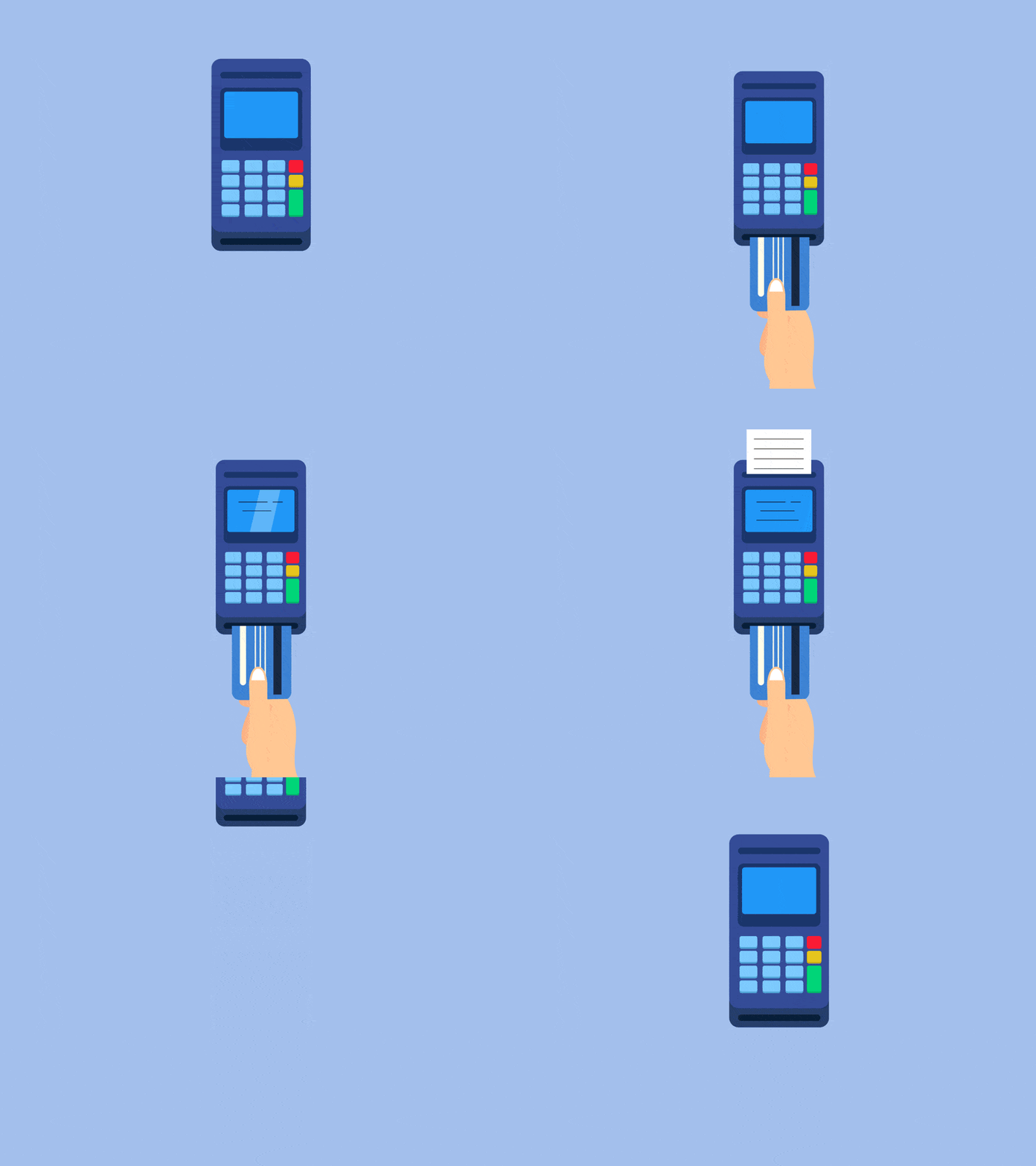
Two major components of Electronic Voucher Distribution Software are a centralized web server and a portable Point-of-Sale terminal. The companies operate the Web server and the companies’ dealers have a POS terminal unit in their retail stores. The users can avail of any type of digital service by entering their account information in the POS and the amount to be recharged. All the information is sent to the server and the server sends a recharge code to the terminal.

The user’s account will be reflected with the debited amount and at the end of the transaction, POS will generate a voucher for the customer. The receiving voucher can be downloaded or stored in the terminal as a record. Once the information is verified, the next transaction can be made without PIN information being sent back to the terminal. As the voucher transaction happens, ther retailer receives the acknowledgment of the balance. EVD Software keeps track of sales data like daily sales, denominal-wise sales, and event blogs.

Electronic Voucher Distribution System Applications

The EVD System also comes into the hands of the customers as well as the dealers and that handy system is called the EVD System Applications that is being used for recharging hour prepaid connection or paying the post-paid bills for mobile phones. The EVD System Applications offer simpler solutions for booking tickets and bank transactions.

The EVD System ensures easier card recharge options for customers who can obtain a voucher beforehand using the EVD System with calling codes for international calling. The Point-of-Sale system is made to read the consumers’ credit/debit cards in retail stores.

Why Electronic Voucher Distribution

There are so many advantages of EVD Software that’s why it is necessary to use Electronic Voucher Distribution Software. The first advantage of it is that it is safe. The customers need not worry about carrying money in their pickets anymore. If they keep little precaution, this EVD Software allows them to make the transaction in an ideal way to shop.

If we look at his system from the point of view of dealers, the EVD System is much less work. Due to the EVD system, you don’t need to have printing of physical vouchers or maintaining a whole new database. This EVD system saves a lot of time and money and it is the smart way to handle business transactions.

If we look at the EVD system from the point of view of manufacturers, it offers much transparency with the dealers. The manufacturer can know the complete information of past sales and transactions with the dealers.

Mobogaze EVD Software features

  • User-defined Vendors, Retailers, Products, Denominations
  • Selective privilege to Distributors, Sub-Distributors and Retailers
  • Creation of Sub-users with privilege assigned
  • Specific commission structure to each Distributor, Sub-Distributor, and Retailer
  • Programmable Broadcast and Advertisement messages to Retailers
  • Duplicate receipt printing based on specific rules
  • Detailed Reports
  • Customized reporting feature to the end user
  • Remote updates of terminal software (optional)
  • PIN migration from one denomination to another
  • Modes of Communication: GSM, Wi-Fi, Ethernet
  • Instructive Help index
  • Deposit through Excel to Retailers
  • Pin voucher tracking based on serial number
  • Reduced logistics
  • No ‘Out of Stock’ problems
  • Availability in all denominations RCV’s/ Top-up’s
  • Minimize fraud & theft
  • Centralized control of information
  • Real-time sales reports

EVD System Key Features

  • Ability to manage devices, customers, and device users on the server side
  • Mapping between devices to customers (Retailers)
  • Security/login information
  • Audit-trail/log management
  • MIS Reports (Registration Reports, Transaction Reports, Sales Reports, Deposit Summary Reports, Performance Reports, Management Reports, Reconciliation Reports, etc.)
  • Reporting functionality
  • Web-based functions for Admin/Distributor/Sub-Distributor/Retailer /Vendor access via portal
  • Real-time access to Retailer/Dealers/Retail Outlets account activity
  • A comprehensive user-friendly system

To Know more about the Best Voucher Management System.

Best Voucher Management System

What is The Best Voucher Management System at the Best Price in Saudi Arabia?

A voucher management system (VMS) is the platform mobile network operators use to run the whole life of a recharge voucher code, from the moment a denomination is defined to the moment a subscriber redeems it. You’ll also hear it called an electronic voucher management system, an electronic voucher distribution system, a digital voucher management system or an e-voucher management system. If you’re trying to work out what the best voucher management system looks like for your network, start with what the job involves day to day.

MoboGage offers a Voucher Management System that lets an operator define denominations, generate recharge voucher codes, manage print vendors, distribute the codes through a dealer hierarchy, track every voucher and redeem it against the charging system.

What makes the best voucher management system

“Best” depends on what you need it to do, so here is the list we would test any vendor against, ourselves included. PINs generated by a cryptographically secure random generator and stored encrypted, never derived from the serial. A print file sent to the print vendor encrypted, with a serial-range manifest the vendor confirms before stock can be activated. Every voucher in exactly one state (available, allocated, sold, redeemed, expired, cancelled) with no route back from redeemed. Redemption wired into the operator’s charging system, over UCIP on Ericsson-style networks, with timeouts held as pending rather than guessed. And a day-close that matches inventory, dealer sales and charging credits, with each leftover given a reason code and an owner.

The money side matters as much: support for the payment gateways you already use, the services you sell, the denominations you price at, and a clear record of which account gets paid.

Voucher management system

How pricing works for a digital voucher management system

We are often asked for a price list. There isn’t a fixed one, because cost follows scope: how many denominations and channels, whether you need print-vendor management, how many dealer tiers, whether PINless top-up runs alongside PIN stock, and how the redemption path connects to charging. Hosting (operator data centre or private cloud) also changes the number. MoboGage quotes each engagement against the services it covers, and the quote lists them.

What is the Best Voucher Management System in Saudi Arabia?

The job is the same in every market: control the full life cycle of recharge codes so that managing vouchers is automated rather than manual. A digital voucher management system talks to several network nodes, and subscribers receive their recharge code by SMS, on a POS receipt or inside an app. In Saudi Arabia, buyers also tend to ask about Arabic and English screens and receipts, and about where production data is hosted under the country’s personal data protection rules.

Several large suppliers sell voucher and recharge platforms into the region, including Comviva (PreTUPS) and Seamless (ERS 360), and they publish uptime figures and deployment stories. Rather than take anyone’s word for which is best, ours included, ask each vendor to run a day-close on demo data: stock, sales and redemptions lining up, a deliberately failed redemption, and the exceptions explained. MoboGage is based in Jaipur and works in the region through partners.

Alongside voucher management, MoboGage provides EVD software, eTopup software, mobile money and telecom VAS platforms.

FAQs About Best Voucher Management System

What is a Voucher Management System?

Voucher Management System is a type of platform or solution that is used by Mobile Network Operators to manage the end-to-end life cycle of voucher recharge codes.

What is a VMS Voucher?

The voucher Management System is used to create and control the whole life cycle of recharge codes for vouchers to automate the process of managing the voucher life cycle.

What is an e-voucher system?

An e-voucher system is a digital voucher system that enables merchants to easily generate design and issue digital coupons or e-vouchers.

pos_evd-system

Telecom voucher distribution opportunity in United Kingdom

  • The United Kingdom is a big market for telecom companies. The voucher management system in the telecom of the United Kingdom is still having great scope for business entrepreneurs. Telecom companies like O2, Vodafone are still using electronic voucher distribution for Airtime voice, Airtime Data and bundle recharges.

Major Telecom Companies in United Kingdom

  1. O2
  2. EE
  3. Vodafone
  4. Three

EE has the largest number of umbrella, including ASDA Mobile, BT Mobile, Plusnet, Virgin Mobile and HMD Mobile.

O2’s umbrella include Giffgaff, Tesco Mobile and Sky Mobile.

Three’s include iD Mobile and SMARTY, while Vodafone’s include Talk Mobile and VOXI.


How Electronic Voucher Management System deliver value to telecom subscribers in United Kingdom?

Voucher distiribution system by MoboGage is considered among top 5 voucher management system in the world. The innovative approach of MoboGage makes this platform unique and highly robust over high value of transactions.
MoboGage EVD System is used for following services
  • Digital Wallet
  • Airtime Recharge
  • Pay-TV Recharge
  • Data Recharge
  • OTT Subscriptions
Mask-Groe

Scope of Airtime Distribution Software in Saudi Arabia

Airtime Distribution software is working as an extension of the Voucher Management system. Since voucher management software offers you great control over your digital voucher inventory management, Companies have their focus to replace the POS terminals too. For airtime distribution extension we need to have API connectivity from telecom companies. EVD System can integrate with operator charging and voucher APIs; connectivity for each Saudi operator is scoped per project. For the current guide, see electronic voucher management system for GCC telecom. Telecom companies in Saudi Arabia are targeted for highly efficient, secure and fast voucher distribution options considering the reduced operational cost for the telcos. MoboGage Electronic Voucher Distribution software is the best choice for telecom companies in Saudi Arabia where we offer 360-degree voucher management from generation, redeem, resell, and bulk sales with easy to use of web interface and other Omni channel connectivity including Android and IOS app, POS terminal application and USSD gateway.